Travel guide
Sustainable Travel Guide
Practical sustainable travel tips that work on any budget. Reduce your impact, support local communities, and travel in a way you remember.
The full guide
What does sustainable travel mean in practice?
Sustainable travel is the awareness that the places you visit exist before you arrive and after you leave. The people who live there have their own routines and their own rhythms. Your trip either slots into that or disrupts it. In practice, a handful of habits make the difference.
Spend locally
Eat at independent restaurants, shop at local markets, use local transport. Your money stays in the community instead of flowing to a multinational chain.
Respect cultural norms
Dress codes, photography etiquette, noise levels. These vary by place and checking them before you arrive takes minutes.
Reduce waste
Carry a reusable bottle. Say no to unnecessary packaging. Leave places as you found them.
Learn a few words
Even "hello," "thank you," and "sorry" in the local language changes how people respond to you.
Choose sustainable accommodation
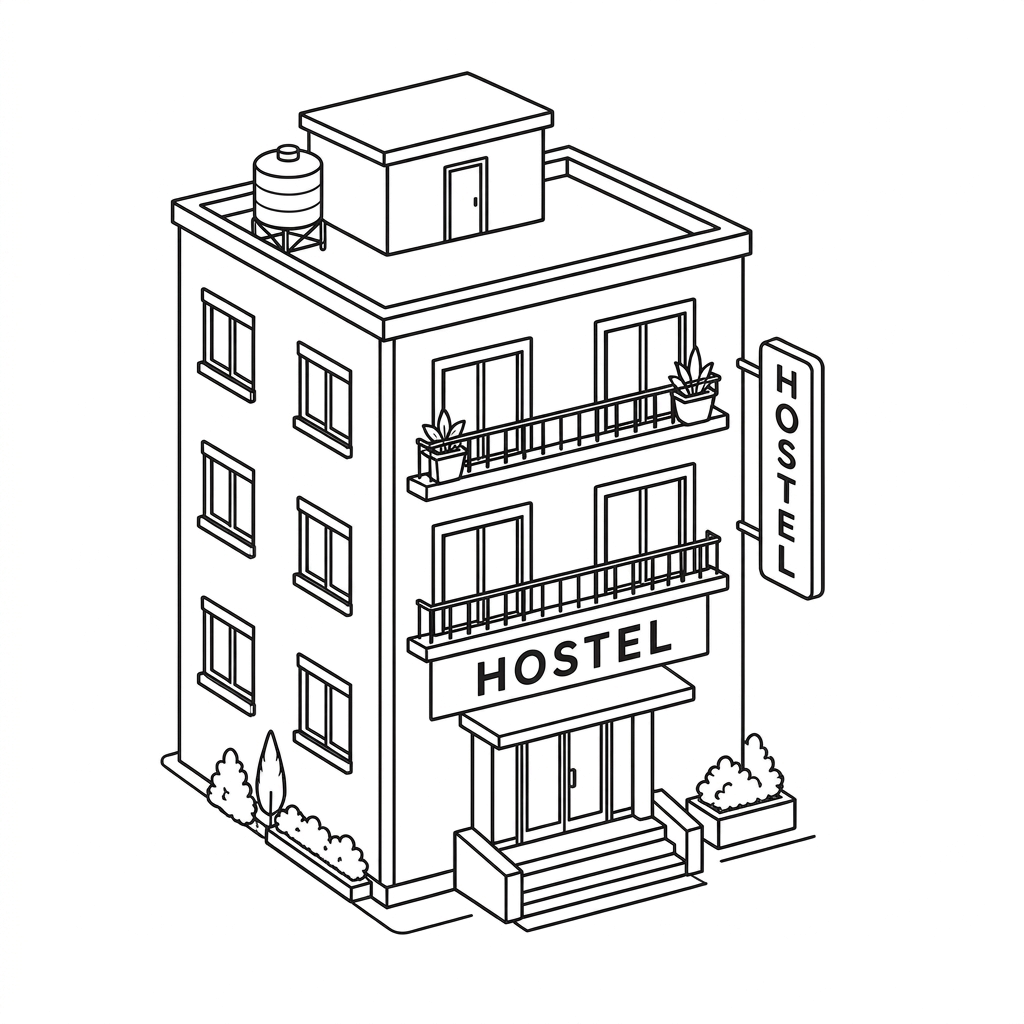
Social enterprises and not-for-profit hostels typically reinvest in the communities around them. Booking one helps ensure your stay contributes to that.
How to reduce your carbon footprint while travelling
Travel has a carbon cost. Flying is the biggest contributor, but it isn't the only lever.
Getting there.
Take a train or bus when you can. If you fly, fly direct, since takeoffs and landings produce the most emissions. Consider overnight buses or trains, where you save on a night's accommodation too.
Where you stay
Shared facilities in hostels mean lower energy and water use per guest than private hotel rooms. Look for hostels with active sustainability practices: recycling, renewable energy, local sourcing, single-use plastic reduction. Some of our hostels have visible credentials: Paris Yves Robert is an eco-district building made from modern and reclaimed materials. YHA Snowdon Pen-y-Pass won the HI Sustainability Fund for work on its environmental impact. Reykjavik Dalur includes free EV charging and complimentary airport transfers (check availability before you travel).
While you're there
Walk and cycle. Eat seasonal and local. Skip the tourist traps that crowd visitors in and out. Overtourism damages places, and your choice of where to go matters.
You can't travel with zero impact, but you can travel with less impact than the default.
The slow travel movement
Slow travel is the opposite of the "five countries in five days" approach. You stay longer in fewer places. You rent a bike instead of booking a tour bus. You shop at the local market instead of eating in the tourist quarter.
Slow travel is about noticing more. The mornings are different when you stay somewhere for a week. You hear the same church bell, the same delivery van reversing. The woman at the bakery starts to recognise you. By day three, you stop photographing everything and start paying attention to the place.
It's cheaper
Longer stays mean lower per-night costs, less transport spending, and time to find the places locals go.
It's more sustainable
Fewer flights, fewer transfers, deeper integration with local communities.
It shows you more
Staying longer gives you time to find the places and routines that shorter visits miss.
Our hostels are designed for staying. Kitchens let you cook your own meals. Common spaces give you somewhere to work, rest, and meet people. Neighbourhoods put you in the middle of real life.
Overtourism: go where the crowds are not
Overtourism is real. In some cities, the weight of visitor numbers is changing the character of the place. Locals are priced out and streets are clogged.
Visit secondary cities
They're often more affordable, and your spending makes a bigger difference to the local economy.
Travel in shoulder season
Depending on where you're going, April to May and September to October typically offer better weather than you expect, lower prices, and fewer crowds.
Stay in neighbourhoods
We have curated a number of neighbourhoods that by their very nature help you to move through them the way residents do.
Spend time
A day where you walk around, eat at a local spot, and talk to people leaves a lighter footprint than a day of organised tours and souvenir shopping.
Volunteer work exchange at a hostel
Some of our hostels run volunteer work exchange programmes. You contribute by working shifts and receive free accommodation in return. The work might include reception, cleaning, events, or maintenance. Visa requirements vary by country, so check before you commit.
This is a different thing from the voluntourism industry, which charges travellers for placements. At a hostel, you exchange your labour for accommodation. The arrangement is transparent and direct.
Connecting with local communities
You meet locals when you put yourself where local life happens. Neighbourhoods, not tourist zones. Places where the menu isn't in four languages. Markets. Places you stay long enough for faces to become familiar. Our teams live in these neighbourhoods; their recommendations are specific, current, and honest. Ask our hostel staff to share the places they love the most and you can't go wrong.
Where to start
Search for hostels in the regions that interest you or try our curated list of neighbourhoods for some inspiration. Read what each hostel says about its sustainability work.
If you're planning an extended trip, consider longer stays in fewer places.
Good travel is sustainable travel.