Why hostels

Hostels changed who got to go

We invented hostels in 1909 to give young people somewhere safe and cheap to stay while they went out to see the world. Before that, travel was the preserve of the wealthy.

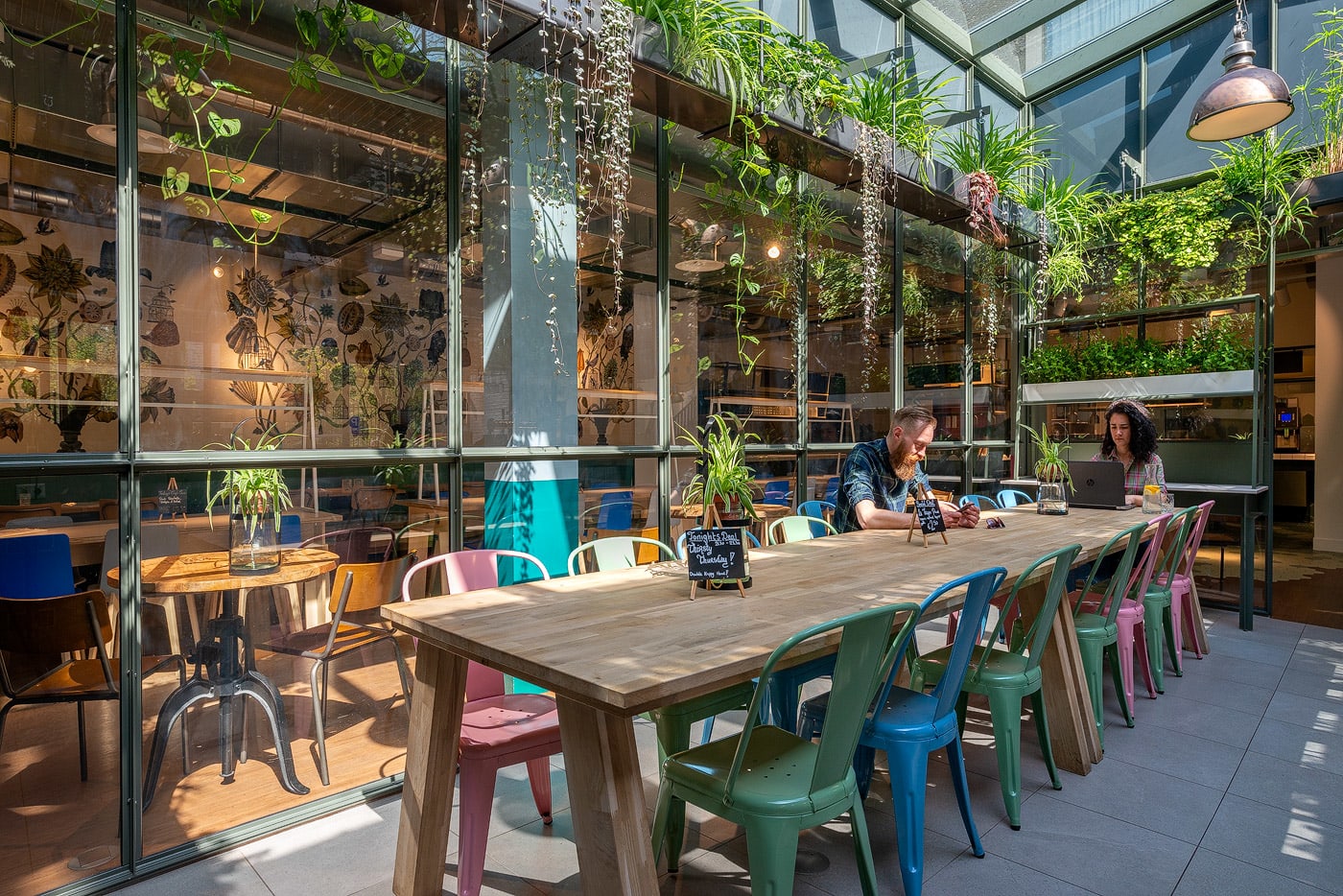
Biophilic communal space at Stayokay Amsterdam Vondelpark
The original idea still works

Still brilliant

The format hasn’t moved much because it didn’t need to: kitchens where strangers cook next to each other at 7pm, lounges with maps on the wall and everyone’s next destination pinned to them, conversations that start over a kettle and end up changing your route.
A century on, we are Hostelling International (HI), the world’s largest non-profit federation of hostels: over 2,100+ across 57 countries, joined by one mission to create a better world through travel.
A different format

Hotels are designed to give you privacy. Hostels are designed to give you company.

The kitchen is shared, the lounge is shared, often the dorm is shared. The rate is lower because you share more space, not because the quality is lower.

What you get: GUARANTEED

Real conversations with people you wouldn’t otherwise meet.

Meals you cook with strangers in a shared kitchen, using whatever’s good at the local market that day. Roommates who turn into trip companions, sometimes friends. Stays you remember by the people you met, not the room you slept in.

What you don’t ALWAYS get

A hotel’s standard of solitude.

If you want privacy, HI hostels increasingly offer private rooms (single, twin, family) at HI member rates that beat most hotels in the same city.

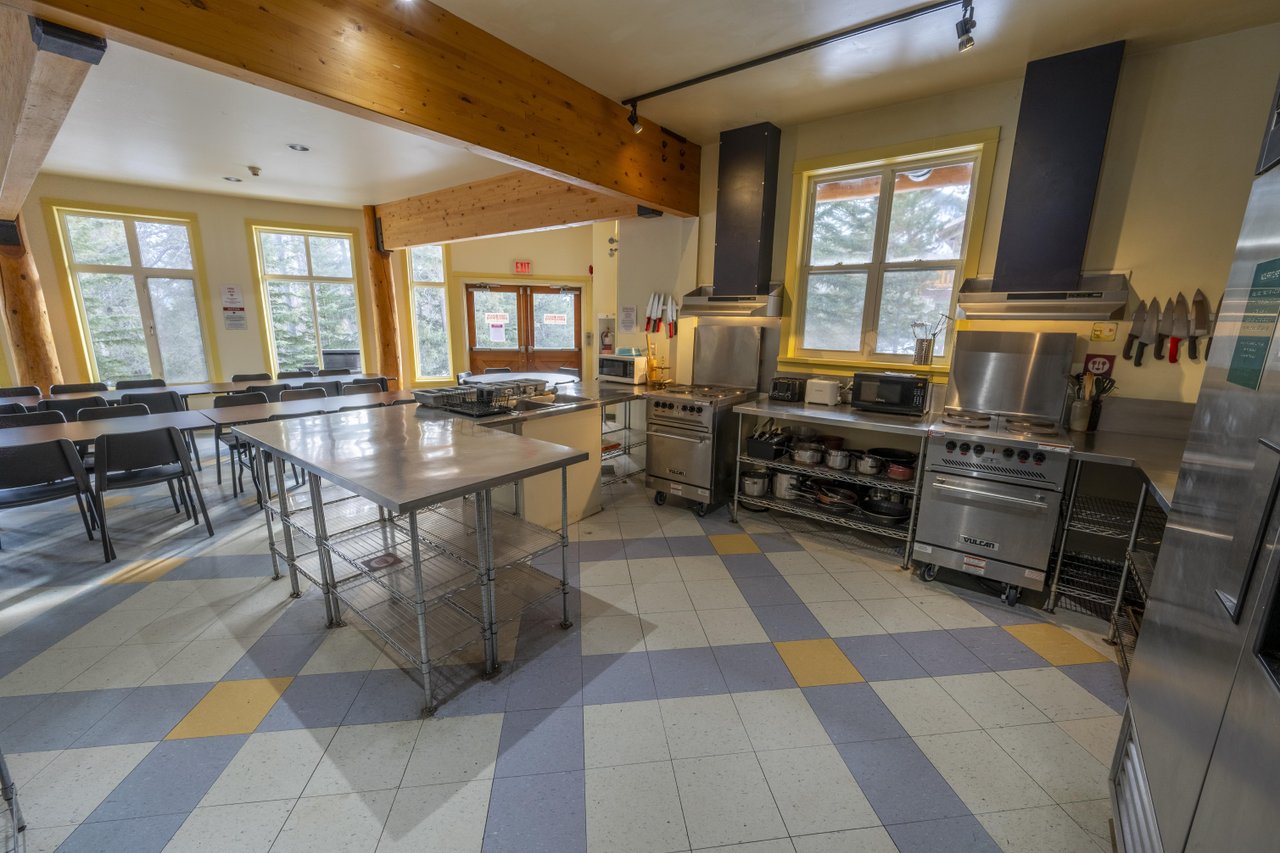
A shared kitchen at HI Banff
Different on purpose

Each HI hostel is shaped by the place it sits in.

You’ll find Victorian houses in the Lake District, castles on the Rhine, canal-side buildings in Amsterdam, converted abbeys, alpine refuges, modernist city builds, farmhouses, and 19th-century townhouses.

What connects them is the mission to create a better world through travel. That’s the reason every HI hostel exists, and it’s the reason there’s such variety: each national member association builds the mission into its own country in its own way. Everything else is local: the buildings, the food, the welcome, the name on the door.

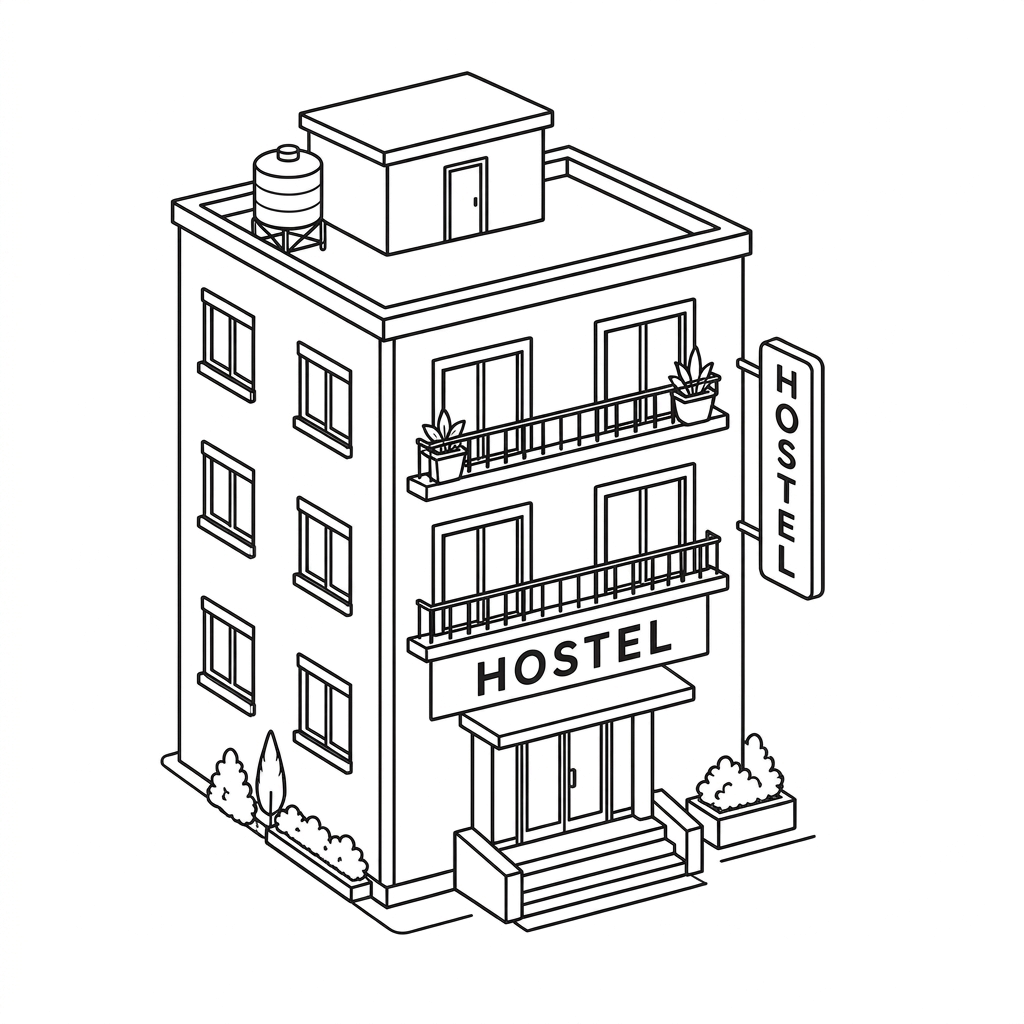
The exterior of HI Boston
YHA
DJH
Stayokay
HOSTELLING SCOTLAND
ÖJHV

YHA in England and Wales. DJH in Germany. Stayokay in the Netherlands. Hostelling Scotland. ÖJHV in Austria. Each one keeps its own identity, its own way of doing things. The hostels don’t look the same on purpose.

You get the same standards everywhere. All HI hostels follow the same Sustainability Charter: clean, safe, energy-conscious, accessible where the building allows it. Audited externally every three years.

What you won’t get is a single design template, a uniform menu, or the same lobby in every city. A stay in one country can feel completely different from a stay in another, and that’s by design. Because this isn’t a hotel, the service is lighter and the spaces are shared.

Some hostels are older buildings, lived-in and well-used. Some have been recently refurbished. Some are architectural one-offs. Every hostel page on hihostels.com has current photos, facilities, and reviews so you can see what you’re booking into.

We are a charity, not a chain

Designed with purpose, not by chance.

We are a federation of national hostel associations, each a non-profit in its own country. In the Netherlands, that’s Stayokay. In Germany, DJH. In Scotland, SYHA. In England and Wales, YHA. You get the picture. HI brings them together under shared standards that drive our mission forward.

One set of standards

The HI Sustainability Charter, signed by every member association in 2010, binds all certified hostels to the same environmental, social and economic baseline. Audited externally every three years.

No shareholders

Member fees and booking income stay in the network. The money funds programmes that bring young people into travel for the first time, pays the people who run the hostels, and maintains the buildings that host them.

HI membership

HI membership gives members access to discounted rates on stays across our network.

Who it’s for

People seeking growth, connection, and perspective, not just a bed.

Originally, HI was built for young people. It’s still where students, gap-year travellers and solo travellers fit naturally. The model also works for families (private and family rooms), groups (school trips, sports teams, university cohorts, corporate retreats), and anyone else who wants to know a place properly, not just sleep in it. The membership card works regardless of age.

We’re honest about what HI is. Not a luxury 5-star hotel. Not a sanitised brand of foreign travel. HI is for curious travellers seeking growth, connection, and perspective, not just a bed.

What your stay feels like

Three things shape it.

01

Belonging

Shared kitchens, shared rooms, conversations that start over a kettle.

02

Care

For the places the hostels sit in, the environment around them, the people of the neighbourhoods they’re part of, and the staff and volunteers who run them.

03

Curiosity

Side streets, late-night markets, the questions you ask the stranger at the next table.

How staying with us makes an impact

Where you sleep, who runs it, where your money lands when you book: every choice adds up to something the place feels.

Travel changes the place that hosts it. HI is a network of non-profits, so most of what you pay stays in the city you booked. It funds the staff and volunteers who run the hostel, and the programmes that bring more young people into travel for the first time.

Two main ways to be part of HI as a traveller.

Stay

Stay at a HI hostel

Nightly rates vary by city. Dorms typically run €15-40 in Europe (less in eastern Europe and Asia, more in Switzerland and Scandinavia). Private rooms run €40-100. Most hostels include Wi-Fi and kitchen access; breakfast is included at some, available to buy at others.

Join

Become a member

HI membership is a yearly fee (roughly £15-20, varies by national association). It gives you reduced rates at every HI hostel worldwide, plus partner discounts on transport, attractions and gear in many countries. Member fees fund the federation’s central operations and global programmes. Full detail on Membership.

No shareholders. No franchise extraction. Looking for other ways to support HI? Volunteering, donations, and group bookings are all at How you can help.

Want to dig deeper? Our Story takes you back to 1909, when a German schoolteacher started the whole thing. Our Impact shows what the network has built since. The Sustainability Charter sets out the standards every member association signed up to in 2010, and what we still have to work on.

A small card. A big network.

HI membership opens up over 2,000 hostels in more than 50 countries, with member rates wherever you stay and a hand in the charity behind it all.