Route
Fewer stops, longer stays
Plan realistic distances. Less rushing can mean fewer transfers, lower costs and more time to understand each place.
A practical toolkit for shaping the route, choosing where to stay and travelling with more care for the places that host you.
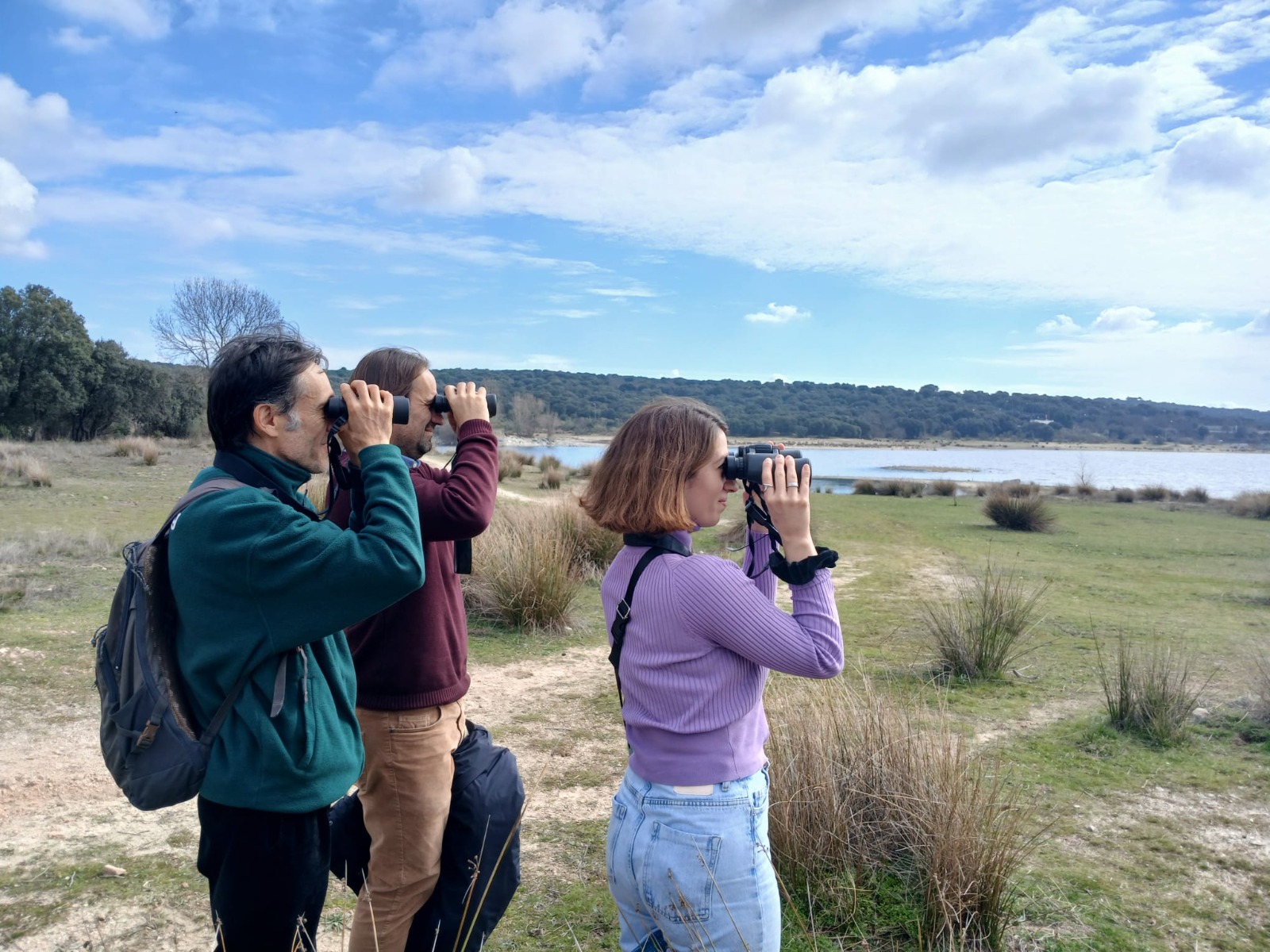
Plan realistic distances. Less rushing can mean fewer transfers, lower costs and more time to understand each place.
Use rail, coach, shared transport, cycling or walking where they work. If you fly, make the journey count by staying longer.
Choose accommodation with clear environmental and social commitments, then ask how it supports its neighbourhood.
Use local shops, markets, guides and services. Hostel teams can help you find choices that benefit the community.
Your stay is part of the choice
By staying with HI, you are choosing a sustainable travel option: shared spaces use room and resources more efficiently, and your stay supports a not-for-profit network with a long-standing social and environmental purpose.
Dorms, kitchens and common areas make better use of space, energy and facilities while creating the encounters hostelling is known for.
HI connects independent national youth-hostel associations around a common mission: accessible travel, cultural understanding and responsible hostelling.
Practices vary by place. Check each hostel’s information and look for HI-Q&S or recognised local certification when you want verified detail.
Sustainable travel is not one perfect decision. It is a series of informed choices made before, during and after the journey.
Can two short stays become one longer stay? Can an overnight train or coach replace a flight and a hotel night?
Look for published commitments, practical evidence and responsible guidance—not vague green language.
Carry a reusable bottle and bag, pack only what you will use and bring items that help you avoid disposable purchases.
Water, waste, wildlife, sacred places and busy neighbourhoods need different behaviour in different destinations.
Recognise good practice and raise problems directly. Specific feedback helps hostels improve.
The five-minute trip check
Sustainability is not a packing list. Use these questions on the decisions that have the greatest effect, then make the smaller daily choices easier.
Staying longer reduces transfers and gives more of your spending, attention and time to one place.Try: draw the route again with one fewer move.
Compare rail, coach, ferry and shared options for the whole journey—not only the headline travel time.Try: compare door-to-door time before deciding.
Shoulder-season travel can ease pressure on destinations and often means better availability and a calmer experience.Try: move the dates by seven days and compare.
Look for public transport access, shared facilities, environmental commitments, community partnerships and credible certification.Try: read the hostel’s sustainability details, not just its amenities.
Independent food, local guides, public markets and community-run experiences keep more value in the destination.Try: plan one locally owned choice for every day.
Every HI hostel works to the Sustainability Charter baseline. Many member associations and hostels go further through HI Quality & Sustainability or recognised external certifications.
Where can I refill water? How is waste sorted here? Which local businesses or quieter places do you recommend? Is public transport practical for this trip?
Stay in one neighbourhood, use public transport and build around markets, parks and local recommendations.
Choose two or three bases connected by straightforward rail or coach journeys rather than changing beds every night.
Use longer stays to reduce transfers, establish routines and spend more meaningfully in each place.
Make the stay count
Do what fits the place. Hostel teams know the local systems, water conditions, transport and community better than a generic checklist ever will—ask them.
Learn a little of the language. Ask before photographing people. Pay fairly. Choose experiences that protect culture, wildlife and local livelihoods. Responsible travel is environmental, social and economic—not just a reusable bottle.
Trusted resource library
HI network examples first, then independent guidance from UN bodies and established not-for-profit organisations. External links open in a new tab.
Ihre Einstellungen
Personalisieren Sie Ihren Besuch
Wir verwenden essenzielle Cookies, um den Betrieb der Website zu gewährleisten, sowie optionale Analytik-Cookies, um zu verstehen, wie die Website genutzt wird, und um das Nutzererlebnis zu verbessern.
Bitte geben Sie an, welche Kategorie am besten auf Ihren Besuch zutrifft, damit wir Ihnen die relevantesten Inhalte anzeigen können.

Analytik-Cookies
Wir verwenden essenzielle Speichertechnologien, um den Betrieb dieser Website zu gewährleisten und Ihre Einstellungen zu speichern. Analytik-Cookies sind optional. Wenn Sie diese zulassen, nutzen wir sie, um zu verstehen, wie Besucher die Website nutzen, und um das Nutzererlebnis zu verbessern.