Monthly travel guide
Where to Travel in March
March is a good month to travel: mild weather, affordable pricing, and noticeably longer days. The northern hemisphere thaws - southern Europe is warm enough to eat outside and cherry blossoms arrive in Japan. If you're flexible on dates, travelling before or after Spring Break saves money.
The month at a glance
March into Spring
Is March a good time to travel? Yes - winter pricing starts to ease, temperatures increase in Europe and there's spring activities galore.
The Forecast
Southern Europe warms to 12-18C. Northern Europe remains cold (5 - 10C in London, still below zero in Scandinavia), but the extra daylight changes the feel of the day. Japan enters cherry blossom season, which transforms the country for about three weeks. Spring break pushes prices up in warm beach destinations for two to three weeks (timing varies by country).
What's On in March
- Cherry Blossom Season, Japan: late March to early April (dates vary). Parks across Tokyo and Kyoto fill with blossom-viewing gatherings.
- Six Nations Rugby, Edinburgh: March fixtures at Murrayfield. Scotland's home matches bring the city alive.
- Las Fallas, Valencia: main events typically mid-March. Giant sculptures, fireworks, and a city-wide party.
- Holi (Festival of Colours), India and Nepal: date varies (tied to the lunar calendar, typically March).
- SXSW, Austin, Texas, USA: mid-March. Music, film, and interactive festival across the city.
Spend smarter
Budgeting and Travel Costs for March
Prices are creeping up but have not yet reached April or May levels. If you are flexible on dates, travelling before or after the spring break window will save you money.
Overall flights within Europe stay affordable. The exception is spring break beach resorts, where prices spike for two to three weeks.
If you're watching your budget, head to urban Europe: Lisbon, Valencia, and Edinburgh are full-strength city breaks at pre-season prices. Japan during cherry blossom is more expensive than the rest of the year, but booking hostels early keeps costs manageable.
Plan the trip
What are the best places to travel to in March?
Florence, Italy
March is the last quiet month in Florence before Easter brings a surge of travellers. The Boboli Gardens reopen for longer hours, the Arno catches afternoon light along the Lungarno, and you can stand in front of the David at the Accademia without queueing for an hour. Temperatures sit at 6-16°C, so bring layers for cold mornings.
The Oltrarno's craft workshops (leather binders, picture framers, silk weavers) are at their working pace before the tourist season. A Tuscan bistecca and a glass of Chianti is the dinner the season is built for.
Stay at New Generation Hostel Florence Centre, walking distance from Santa Maria Novella station.
Lisbon, Portugal
In March, Lisbon's Tram 28 runs through Alfama, Graça, and Baixa without the summer queues, and the miradouros (the city's hill viewpoints) catch the long afternoon light. Temperatures sit at 11-17°C with increasing sunshine.
The light in Lisbon at this time of year is clear and warm, even when the air is cool. You can hear fado through an open door on a side street in Alfama while the laundry dries on lines overhead.
The Alfama and Mouraria neighbourhoods are steep, narrow, and best explored on foot. Pastel de nata from neighbourhood bakeries (not just the famous one in Belem) cost very little and vary in quality enough to make a morning of comparing them.
Stay at HI Lisboa or HI Parque das Nacoes.
Tokyo, Japan
Tokyo in March is cherry blossom season. The bloom typically starts in late March; parks like Ueno, Shinjuku Gyoen, and the canal at Meguro fill with blue tarpaulins and groups eating bento under the trees. Temperatures sit at 6-14°C, so bring layers for evening hanami.
When it arrives, Ueno Park, Shinjuku Gyoen, and Chidorigafuchi moat fill with blossom-viewing picnics. Petals land in your tea, on your coat, and across the paths in drifts. Temperatures average 7-14C.
The Asakusa and Yanaka neighbourhoods are older, quieter areas of Tokyo with traditional shopping streets and temple grounds. Yanaka Ginza, a short shopping street near Nippori station, has affordable street food and a neighbourhood feel that much of central Tokyo lacks.
Stay at HI Tokyo Central YH or HI Tokyo Ueno YH.
Ericeira, Portugal (and the Silver Coast)
Roughly 40 mins to an hour north of Lisbon by bus, Ericeira is a World Surfing Reserve. A wetsuit-and-board day on the Atlantic is the reason to visit. The water sits at a cool 14-15°C but it's workable in a 4/3 wetsuit.
The salt smell is strong along the cliff paths, and you can hear the waves from the village centre. Air temperatures average 11-17C. The town centre has a handful of good seafood restaurants along the clifftop, and the village atmosphere is relaxed outside of peak season.
Praia de Ribeira d'Ilhas is the main surf break and sits within walking distance of the town. Order polvo à lagareiro at one of the tiled-front spots near the seafront.
Stay at HI Lisboa and day-trip to Ericeira.
Edinburgh, Scotland
In March, Six Nations Rugby continues with the Calcutta Cup or the Triple Crown decider often landing here. There's daffodils under the castle in Princes Street Gardens and the wind off the Firth of Forth still carries a bite (3-9°C).
The Scottish National Gallery and the National Museum of Scotland are both free at the time of writing (worth checking before you travel). The Old Town and Grassmarket neighbourhoods are walkable from the Royal Mile. Arthur's Seat is a 45-minute climb with views across the city to the Firth.
In March the light is longer each day, and the evening sky over the castle rock turns pink before the floodlights take over.
Pack waterproofs!
Stay at Edinburgh Central Youth Hostel.
Valencia, Spain
Mid-March is Las Fallas in Valencia, where neighbourhoods spend months building enormous papier-mâché sculptures and burn them all in one night. The whole city is given over to the festival: daily mascletà fireworks at 2pm in the Plaza del Ayuntamiento, processions through the old town, paella eaten in the street. Temperatures sit at 9-19°C.
The El Carmen neighbourhood in the old town is the most atmospheric base. Outside of Fallas week, Valencia is a city with a long urban beach, a drained riverbed turned into a park (Turia Gardens), and a strong food scene built around paella and horchata.
Stay at Residencia Damia Bonet in Valencia.
San Pedro de Atacama, Chile
March is when the Atacama's star gazing season properly opens. The summer thunderstorms have ended, the skies are at their clearest, and you can join a small group out at one of the desert observatories on a moonless night and see the Milky Way arc straight overhead.
Daytime temperatures sit at 6-22°C; nights are cold and the altitude (2,400m) can take a bit of adjusting to.
The astronomy here is among the world's best. Multiple tours run nightly. Acclimatise for a day before higher-altitude trips.
Stay at San Pedro de Atacama hostel.
Sydney, Australia
March is when Sydney shakes off the summer humidity. The water at Bondi, Bronte, and the harbour sea pools at Wylie's Baths and McIver's stays warm enough to swim into April, and the Coastal Walk has cooler 18-25°C light. Autumn jacaranda seedpods crunch underfoot through the inner suburbs.
March is when the Bondi to Coogee coastal walk is at its best - warm enough to swim at any of the beaches along the route, without the December-January crowds.
The Surry Hills and Newtown neighbourhoods have the most interesting food at the most accessible prices. The Royal Botanic Garden sits on the harbour edge. The Sculptures by the Sea exhibition at Bondi runs into early March some years, the metal and stone forms silhouetted against the horizon.
From YHA Sydney Central, you can walk to Circular Quay in twenty minutes for the ferry to Manly.
Stay at YHA Sydney Central or YHA Sydney Harbour.
Brno, Czech Republic
March averages 0-11°C in Moravia's capital, a student-led city less travelled than Prague. The university semester is in full swing by March, the cafés along Joštova and Česká fill in the late afternoons, and the seasonal vineyards south of the city in Mikulov start their first work of the year.
Špilberk Castle above the old town has city-museum exhibitions and rooftop views; the Villa Tugendhat (a UNESCO modernist landmark by Mies van der Rohe) is a morning visit - book ahead because walk-in slots are limited.
The Cabbage Market square (Zelný trh) holds a fresh market every weekday. Brno is consistently cheaper than Prague and quieter outside major cultural events.
Stay at Brno – Hostel Fleda.
Keep exploring
Use the month as a starting point, not a limit.
Featured hostel(s)
Explore the hostels featured in this guide.
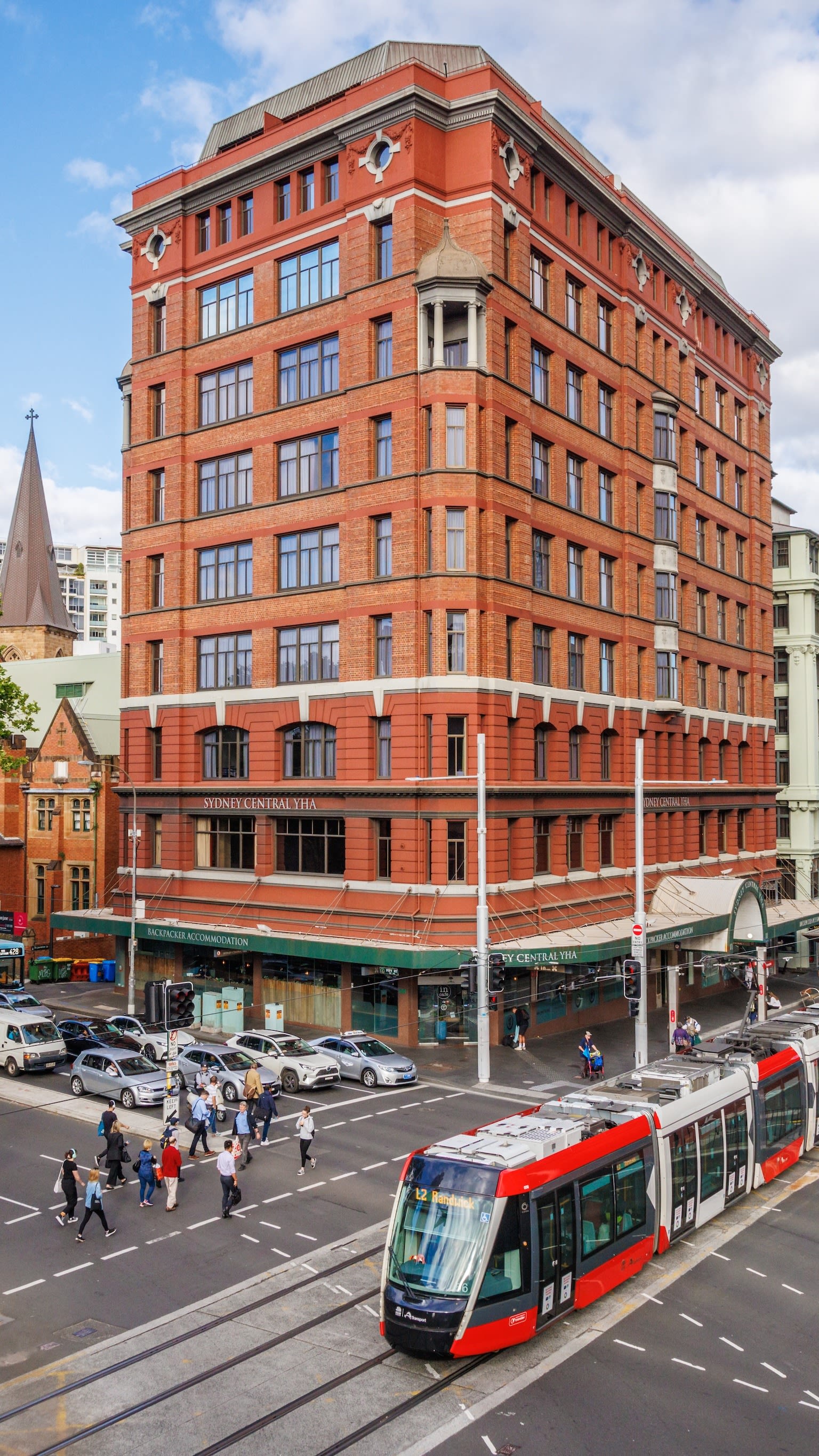
YHA Sydney Central
Heritage hostel with rooftop pool, 100m from Central Station
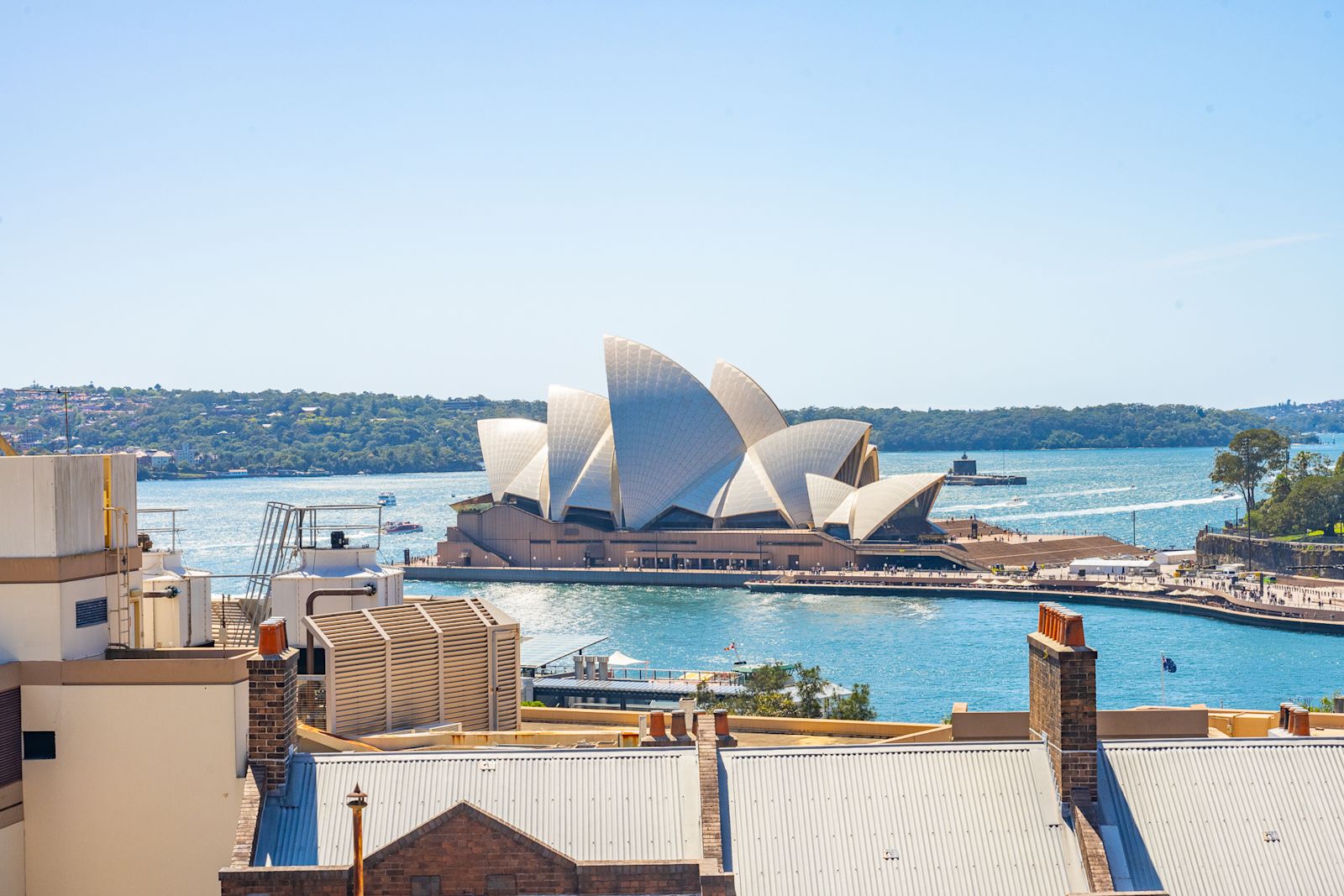
YHA Sydney Harbour
Premium hostel in the heart of Sydney, with iconic harbour views.
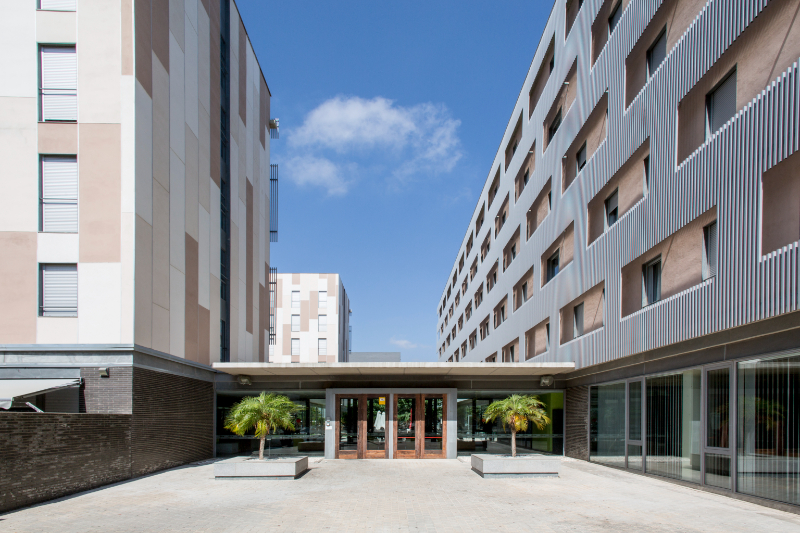
Residencia Damià Bonet (Valencia)

Edinburgh Central
Contemporary hostel in the heart of Edinburgh.
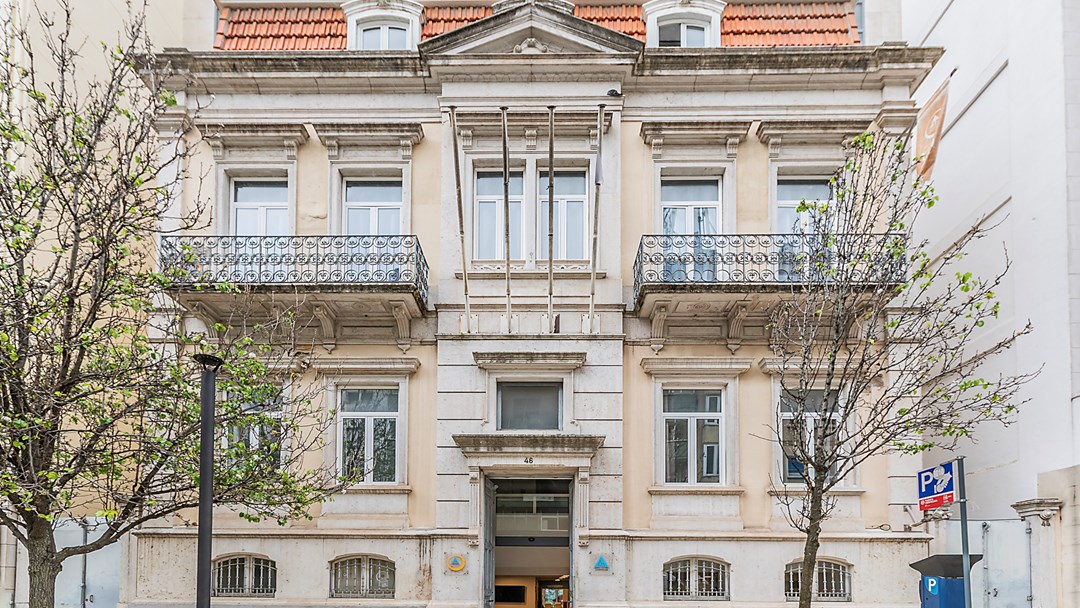
HI Lisboa - Pousada de Juventude
Modern central Lisbon hostel with 24h reception and rooftop terrace
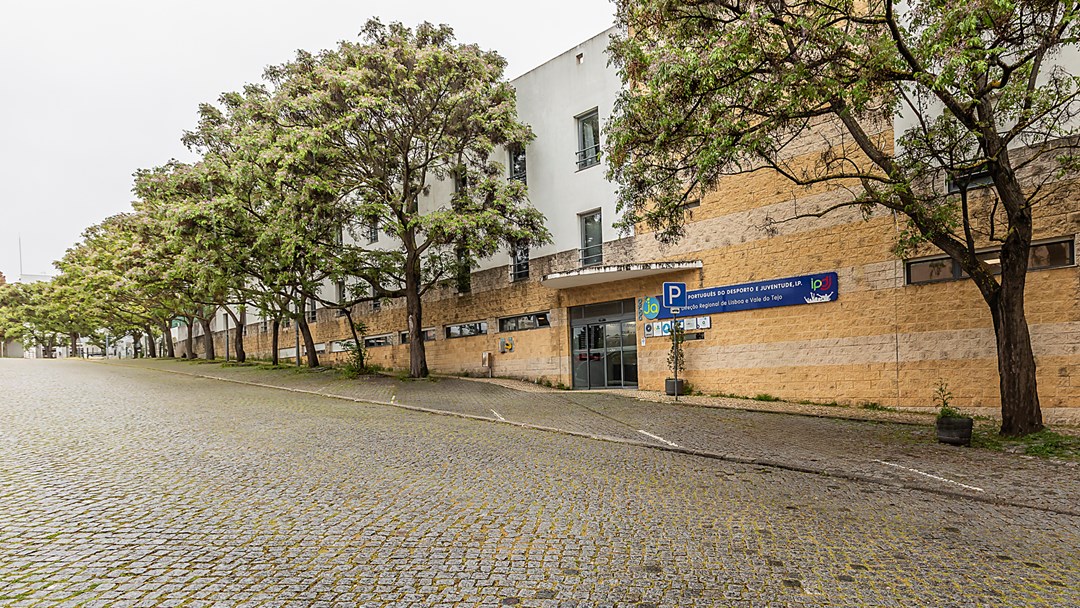
HI Lisboa Oriente - Pousada de Juventude
Modern 92-bed hostel in Lisbon's Parque das Nações tech district
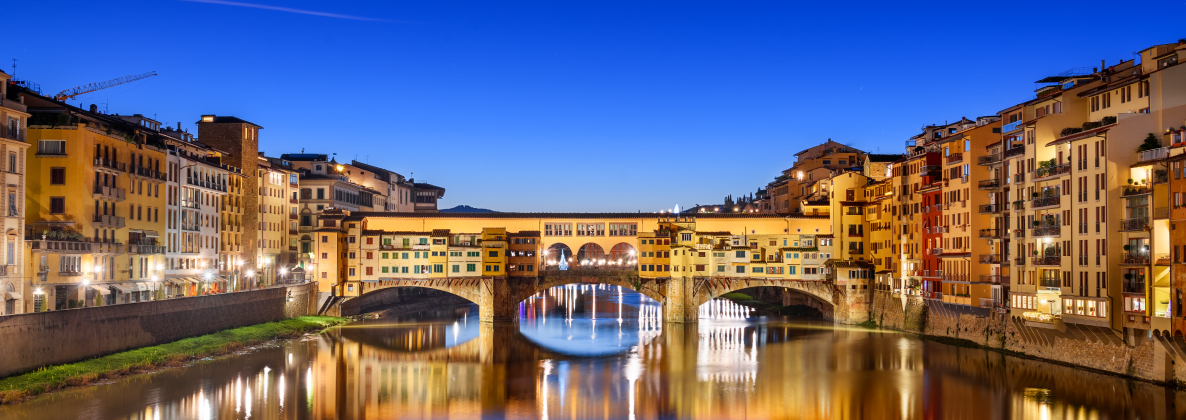
New Generation Hostel Florence Centre
Brno - Hostel Fleda
Historic Art Nouveau hostel in former cabaret with live music venue downstairs

San Pedro de Atacama
Colonial adobe hostel in the world's driest desert